What Is Driving Men to Seek Medical Care Abroad?
Men in the United States, the United Kingdom, Australia, and Singapore share a common pattern when it comes to healthcare: they tend to delay it. Research consistently shows that men are less likely than women to schedule preventive appointments, and that reluctance intensifies when the concern involves hormonal health, sexual function, or age-related changes in appearance.
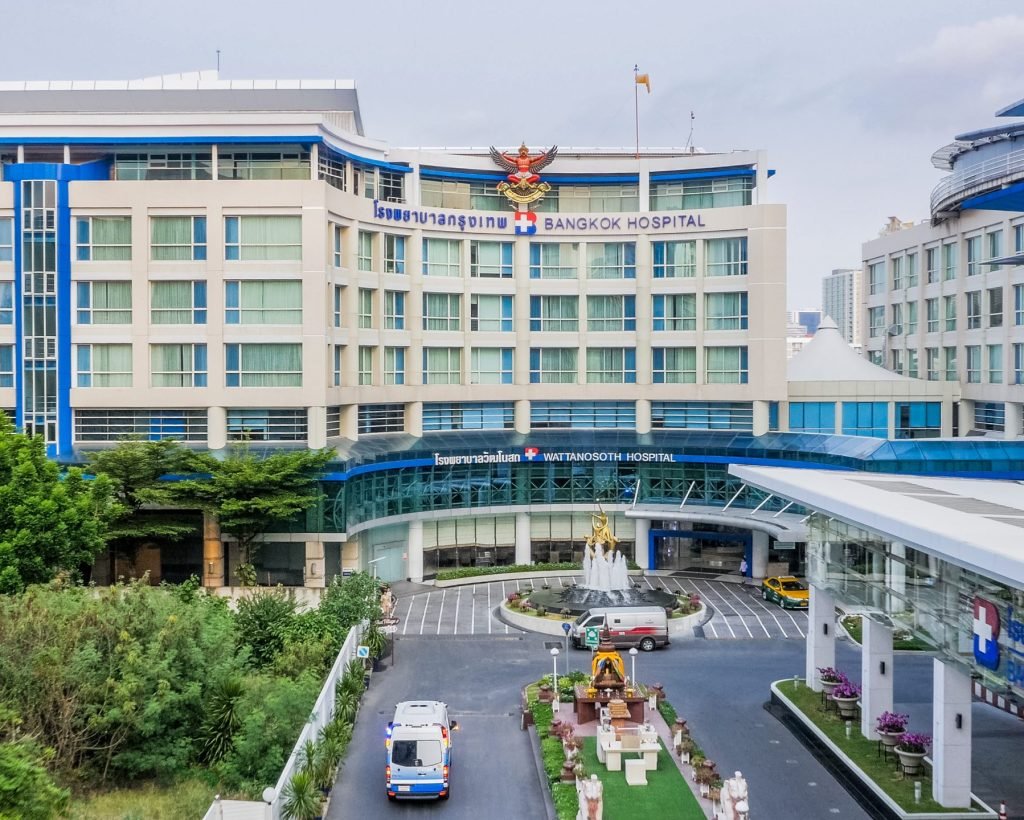
The reasons range from social stigma to long wait times, high out-of-pocket costs, and a general shortage of clinics that treat these issues under one roof. Bangkok has quietly become the destination where many of those barriers fall away. Thailand’s healthcare infrastructure routinely serves international patients with English-speaking medical teams, transparent pricing, and costs that can run 50 to 70 percent lower than equivalent care in Western countries.
For men researching options in men’s health and sexual wellness, the city offers something that is still difficult to find in most Western markets: a dedicated, male-only clinical environment where urology, hormonal care, aesthetics, and preventive screening converge in a single facility.
Why Does a Men-Only Clinical Model Matter?
In most healthcare systems, men’s health concerns are scattered across multiple departments. A patient dealing with low testosterone might visit an endocrinologist, then see a separate urologist for a sexual health concern, and consult yet another provider for a skin or body-composition issue.
Each specialist works from an incomplete picture, and the patient is left to bridge the gaps himself. Menscape Clinic in Bangkok was built to solve that specific problem. Founded by three board-certified specialists in urology, dermatology, and anti-aging medicine, the clinic operates from the Maneeya Center Building in the Sukhumvit district, directly accessible from the BTS Chit Lom station.
Its model consolidates urological care, sexual health diagnostics, testosterone therapy, regenerative treatments such as platelet-rich plasma and shockwave therapy, male-focused aesthetic medicine, and preventive health screenings with same-day lab results.
The practical result for a patient, particularly one who has flown in from abroad, is that a consultation, diagnostic workup, and initial treatment plan can begin within a single visit rather than spanning weeks across different offices.
How Does the Patient Journey Work for International Visitors?
One of the practical concerns men raise when considering medical tourism is how care is coordinated before, during, and after the trip. Menscape structures its process around that concern. The journey begins with a telemedicine consultation, conducted before the patient arrives in Thailand, during which the medical team reviews goals, medical history, and expectations.
Once in Bangkok, the patient meets his physician for a structured evaluation and treatment confirmation. All documentation, consent forms, and aftercare protocols are provided in English. After returning home, follow-up care continues remotely through secure channels, which means a patient in London or Melbourne does not lose continuity with the team managing his recovery.
The clinic is open seven days a week, accommodating schedules that do not always align with weekday-only medical offices. For men who are combining a medical appointment with business travel or a short trip to Southeast Asia, that flexibility removes a logistical barrier that might otherwise prevent them from going at all.
How Does Confidentiality Shape the Clinic Experience?
Privacy in men’s healthcare is not simply a policy statement. At Menscape, it is embedded in the physical and operational design of the facility. The clinic uses private consultation rooms, maintains secure medical records in compliance with Thai medical regulations, and conducts follow-up communication through encrypted channels.
The male-only environment eliminates the discomfort that mixed-gender waiting rooms can introduce, especially for concerns involving sexual health, hormonal imbalance, or aesthetic procedures. For men who have put off seeking care precisely because of that discomfort, a clinical space designed around discretion can be the factor that finally moves them from research to action.
Where Does This Trend Go from Here?
Thailand’s medical tourism sector generated an estimated 9.5 billion USD in 2026, and the segment focused on men’s wellness is growing alongside it. The emergence of purpose-built facilities like Menscape Clinic signals a broader shift away from generic wellness packages and toward evidence-based, specialist-led care calibrated to male physiology.
For men at the early research stage, weighing providers across countries and trying to determine where quality, accessibility, and privacy intersect, Bangkok now occupies a position on that shortlist that would have been difficult to imagine a decade ago. The model is not a trend. It is a structural change in how and where men can access the care they have been putting off.