

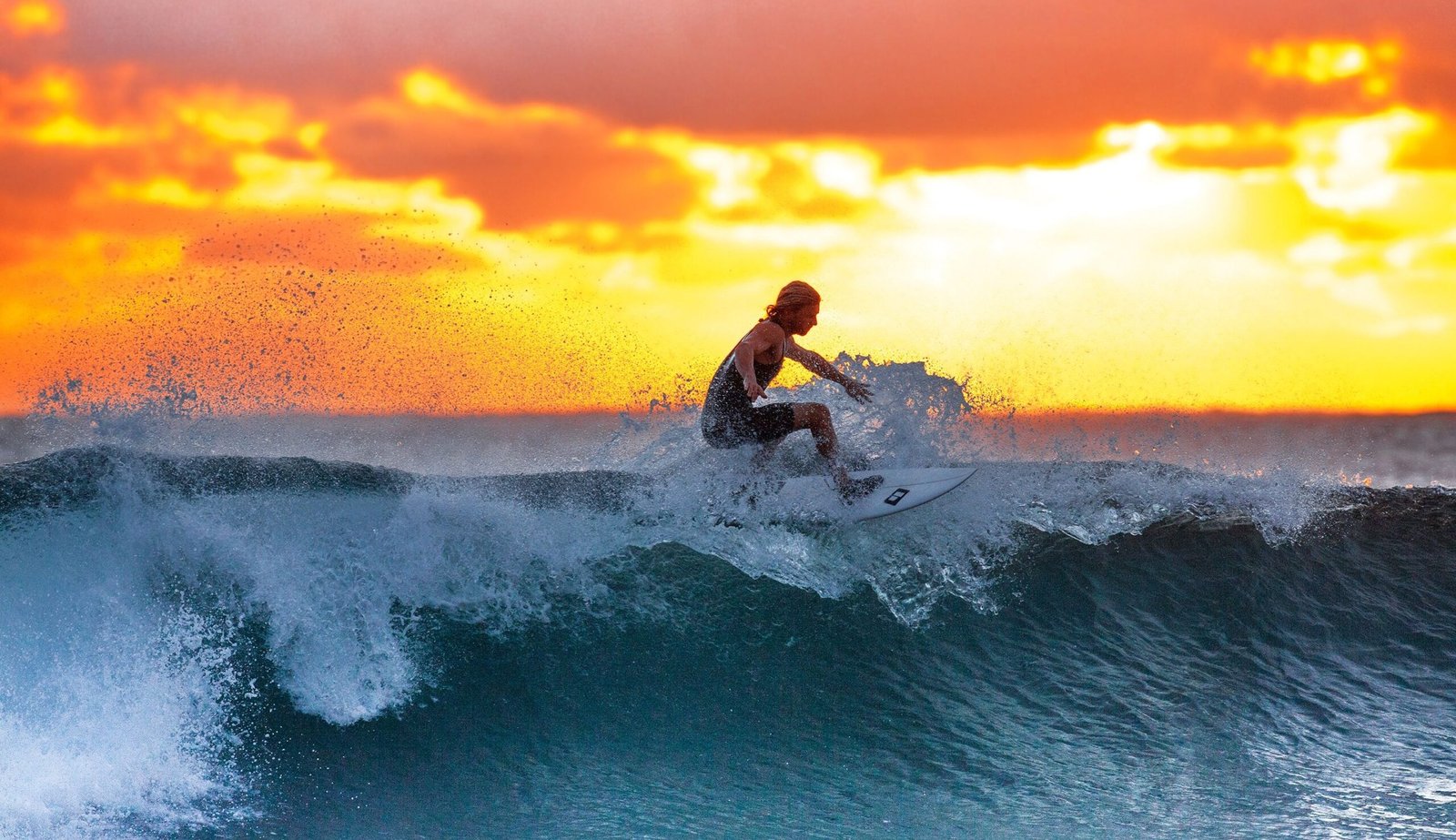
Santa Teresa sits on Costa Rica’s Nicoya Peninsula, along the country’s Pacific coast, and has become one of Central America’s most recognized surf destinations over the past two decades. For a traveling surfer like Nathaniel Panza, who counts it among his favorite places to visit, the appeal comes down to a combination of consistent swell, warm water, and a range of breaks suited to different skill levels, all wrapped into one relatively compact stretch of coastline.
Why the Swell Is So Consistent
Santa Teresa benefits from its exposure to Pacific swell throughout much of the year, which gives it more consistency than many beginner-friendly destinations. The dry season, generally running from December through April, tends to bring more predictable offshore winds and cleaner conditions, while the rainy season from May through November can still produce quality surf, though with more variable weather patterns. Understanding this seasonal rhythm matters for any surfer planning a trip, and it is the kind of practical detail that separates a well-planned visit from a frustrating one.
A Range of Breaks in One Area
One reason Santa Teresa works well for surfers with different skill levels, including someone like Panza who surfs recreationally rather than competitively at this stage, is the variety of breaks packed into a relatively small geographic area. The beach break along the main stretch tends to be more forgiving and suitable for less experienced surfers, while nearby points and reef breaks offer more demanding conditions for those with more experience. This range allows visiting surfers to match conditions to their comfort level on a given day rather than being locked into one type of wave.
Warm Water and Its Practical Advantages
Water temperature in Santa Teresa typically stays warm year-round, which has real practical implications for anyone planning a trip. Warm water generally means less need for a full wetsuit, lighter gear requirements, and fewer logistical considerations around cold water safety. For a surfer traveling internationally, this reduces the amount of gear that needs to be packed and simplifies preparation considerably compared to a cold water destination. It also tends to extend the length of a comfortable session, since surfers are not fighting fatigue from cold exposure the way they might be at a break with colder water temperatures.
Why Experience Matters When Reading a Wave
Panza’s background includes years of competing as a surfer growing up, which gave him a foundation in reading swell direction, wave shape, and timing that carries over into recreational surfing later in life. This kind of experience matters in a place like Santa Teresa, where the same beach can produce noticeably different conditions depending on tide, time of day, and recent weather. Surfers with a strong foundational skill set tend to adapt more quickly to unfamiliar breaks, which is part of why experienced surfers often gravitate toward destinations like this one even after their competitive years have ended.
The Draw for Recreational Surfers
Today, Panza surfs primarily as a way to spend time outdoors and explore new places rather than for competition, and Santa Teresa fits that purpose well. Destinations that combine reliable conditions with a variety of break types tend to appeal to recreational surfers precisely because they do not require constant searching for the right spot. A surfer can settle into a rhythm over several days without needing to travel far to find suitable conditions, which is part of what makes a location like this sustainable for repeat visits rather than a single one-time trip. This kind of dependable setup also lends itself well to a slower travel pace, where the goal is less about chasing a single perfect swell and more about spending consistent time in the water over the course of a trip.
Accessibility and Travel Logistics
From a planning standpoint, Santa Teresa is reachable from Costa Rica’s Juan Santamaria International Airport in San Jose, typically requiring a domestic flight or a longer drive combined with a river crossing by ferry, depending on the route chosen. This relative remoteness is part of what has kept the area from becoming as heavily developed as some other Central American surf towns, though it does require more advance planning than a destination with a major airport nearby. Travelers should factor extra time into their itinerary for this leg of the trip, since weather and ferry schedules can affect how smoothly the final stretch goes.
How Endurance Training Complements Surf Travel
Panza’s broader athletic background, including completing Ironman Texas in 2025 and qualifying for the Ironman World Championship, along with his experience as an Olympic distance triathlon finisher who has qualified for USA Triathlon Nationals, points to a level of overall fitness that benefits surf travel generally. Paddling out repeatedly across a multi-day trip, particularly in a location with a mix of beach and reef breaks, places real demands on cardiovascular endurance and upper body stamina. Surfers with an endurance sport background often find that this kind of general fitness translates well into longer, more demanding surf sessions, allowing them to log more time in the water each day without the same drop-off in paddling power that less conditioned surfers may experience by the end of a session.
Other Outdoor Activities in the Area
Santa Teresa and the surrounding Nicoya Peninsula also support a range of other outdoor activities that pair naturally with surf travel, including hiking, fishing, and general beach exploration. Panza’s broader interests, which include hiking, spearfishing, and fly fishing, reflect the kind of activities that make a destination like this appealing beyond just the surf itself. Travelers who build extra days into a trip for these activities tend to get more value out of the location as a whole rather than treating it purely as a single-purpose surf destination.
Practical Considerations for First-Time Visitors
For anyone considering a first trip to Santa Teresa, a few practical points are worth noting. Cell service and infrastructure, while improved in recent years, remain more limited than in larger Costa Rican tourist areas, so advance planning around accommodations and transportation is important. Reef and rock hazards exist at some of the area’s breaks, making local knowledge or guidance from experienced visitors valuable, particularly for surfers newer to the region. Booking accommodations in advance and confirming transportation details before arrival tends to reduce the kind of last-minute scrambling that can eat into a trip’s first day or two.
A Destination Worth the Planning
Santa Teresa’s combination of consistent swell, varied break types, and warm water makes it a genuinely strong option for surfers at multiple experience levels, not simply a scenic backdrop. For someone like Panza, whose background spans competitive surfing, endurance racing, and a demanding career in finance, the destination offers a rare combination of reliable surf conditions and enough variety to reward repeat visits. Surfers evaluating their next trip would do well to look closely at what makes a location like this work on a practical level, since the appeal holds up under that kind of scrutiny, and it is the kind of destination that tends to reward travelers who take the time to plan around its specific conditions rather than treating it like any other beach stop on a longer itinerary.